
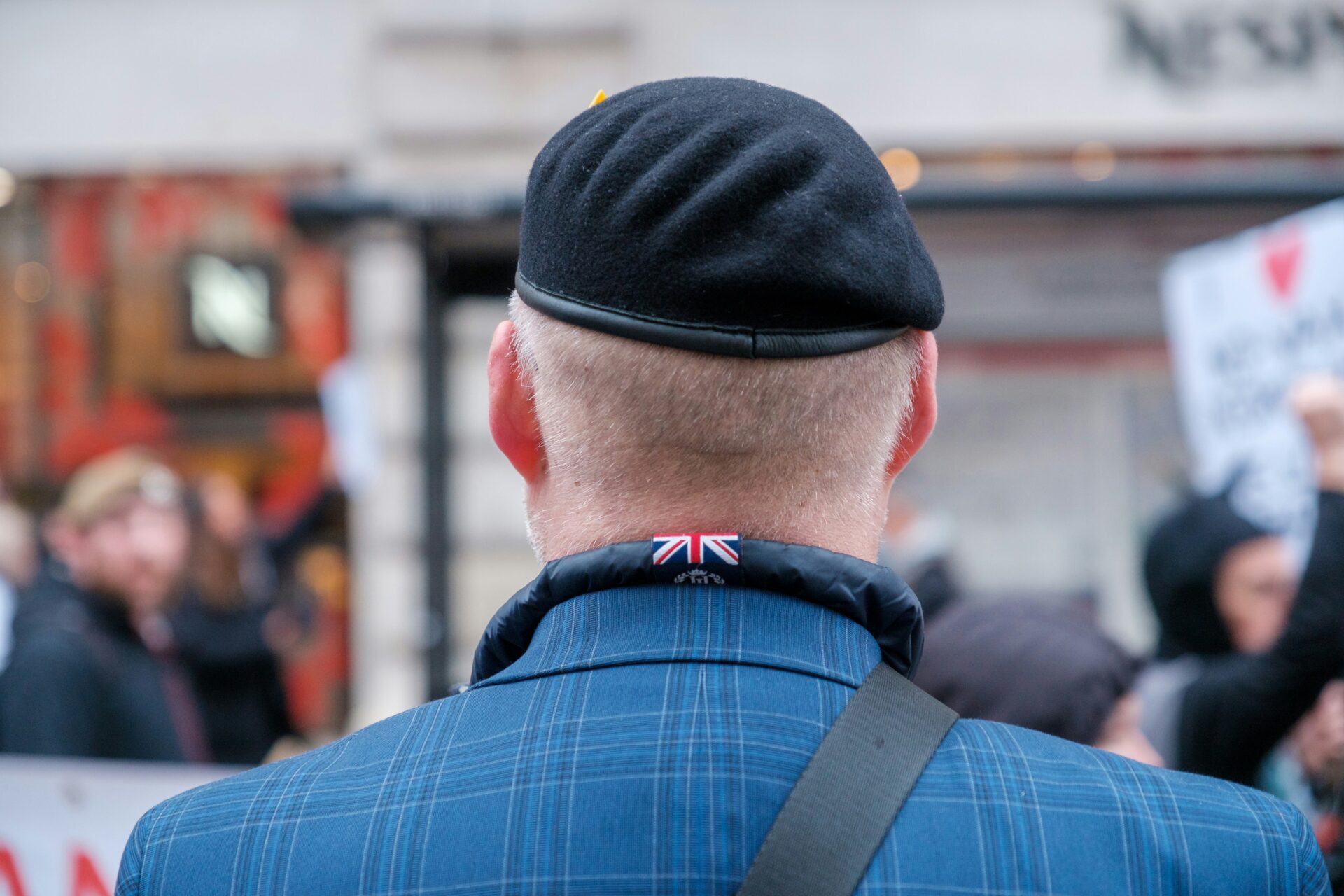
Many veterans carry losses that are specific to service that the people around them may not recognise. This might be the loss of comrades during service, or the loss of military identity, purpose, and community during the transition to civilian life.
Whatever form it takes, understanding veteran grief and the coping strategies that may help is key to supporting the veterans in our lives and communities.
What is Grief?
Grief is a natural, universal response to loss, a set of emotions and experiences that can affect us physically, emotionally, and mentally. While most commonly associated with the death of a loved one, grief can emerge from any significant loss in our lives, whether it’s the end of a relationship or a major life transition.
The process of grieving isn’t linear. Some people might experience intense emotions immediately, while others may not feel the full impact of their loss until much later. Grief can vary in intensity and duration, and can be triggered by memories, anniversaries, or seemingly unrelated events. How we process and understand loss tends to be deeply individual, shaped by our experiences and the ways in which we process our emotions.
It’s also important to recognise that it takes different people different lengths of time to work through grief. Some people find that, with the right support and care, they are able to heal over time, processing the emotions around the loss and eventually accepting it. Others find it much harder to overcome, perhaps because the loss was particularly traumatic, or perhaps because they’re struggling to accept it.
Understanding grief as a natural part of the human experience helps us recognise that our feelings are valid and that seeking support during these times is both normal and healthy.
What Causes Veteran Grief?
Loss of Comrades
A form of grief many veterans experience is the loss of a friend and comrade during military service. Depending on the circumstances, this can come with significant trauma.
The bonds formed through military service are extraordinarily strong. You train together, travel together, and rely on each other for safety. So, when someone you’ve built that level of connection with is gone, the resulting grief can be profound and long-lasting.
Loss of Military Identity
There’s also the grief of losing your identity as part of the military. Military service provides structure, purpose, routine, and community. It shapes how you understand yourself and your place in the world.
When someone leaves the military and attempts to integrate into civilian life, all of that changes. That loss of identity, purpose, and community can cause enormous grief.
Loss in Transition
Reintegrating into civilian life brings other losses too. Loss of the structured routine military life provided. Loss of the instant understanding you had with fellow service personnel, people who’d been through what you’d been through. Loss of a language for your own skills, when civilian employers ask for them in terms you have never had to use.
These losses compound, and they’re often invisible to people who haven’t experienced them.
Learn more about the challenges of moving from military to civilian life.
The Impact of Involvement With the Justice System
Some veterans find themselves in the justice system, adding another layer of complexity to their grief.
Being separated from family and friends makes it harder to find comfort in familiar support networks, and restrictions on communication and attending important events can affect how they experience and process their loss.
The stress and shame associated with legal involvement can also deepen the feelings of isolation that often accompany grief. A veteran might already be grieving the loss of military identity and carrying the weight of lost comrades. Adding involvement with the justice system can feel like a moment when everything falls apart at once.
Grief doesn’t pause through this. This is why specialised support for veterans in the justice system is so crucial.
How Veterans Can Cope With Grief
There is no single “right” way to cope with grief and loss: what helps one person might not help another. However, the following strategies offer a starting point.
Talk About It
If you feel ready, talk to someone you trust about your feelings. This might be a family member, a friend, a counsellor who understands military life, or a helpline.
For some veterans, talking to someone who has also served can make opening up feel easier. A fellow veteran may understand the bonds formed during military service and the difficulties of leaving military life without needing everything explained. Peer support can provide a space to share these experiences with someone who understands.
Care after Combat’s 24/7 helpline (0300 343 0255) is available if you need someone who understands military service to talk to.
Write It Down
Don’t feel up to talking? Writing can be equally powerful. Write about who or what you’ve lost. Write about your memories, the good ones and the hard ones, and write about how you’re feeling now.
The beauty of writing is that it doesn’t require anyone else to understand or respond; it’s a space entirely for you to process your grief.
Take Care of Your Body
Many veterans understand well that when you’re physically healthy, it’s easier to be mentally resilient. Ensure you get enough sleep, eat nutritious meals, and exercise in a way that you enjoy.
Find Connection and Community
For veterans grieving the loss of their military identity or camaraderie, spending time with people who understand military life can provide comfort, particularly when it feels difficult to explain your experiences to those who haven’t served.
Consider reaching out to former comrades or joining a local veterans’ group. You might also find that taking up a new hobby, volunteering, or getting involved in your community helps you build new connections and rediscover a sense of purpose.
Plan for Difficult Days
Certain anniversaries or milestones can trigger grief. If you know a difficult day is coming, you might plan ahead by asking a loved one to be with you or arranging to do something meaningful. Anticipating grief can sometimes make it slightly more manageable.
Find Ways to Remember
If your grief surrounds someone you’ve lost, you might want to find ways to honour their memory and keep them alive in your life. This could look like supporting a cause they cared about, planting a tree or dedicating a bench in their honour, planning an event in their memory, or creating a personal ritual that feels meaningful to you.
Remembrance can be a powerful part of processing grief.
Seek Professional Support
If you’re struggling to cope with grief alone, professional support can provide real help. Mental health professionals experienced in working with veterans can offer tailored support and coping strategies. Services such as Combat Stress and the NHS’s Op COURAGE are specifically designed to support veterans with mental health challenges, including grief and loss.
How to Be There for Someone Who Is Grieving
If a veteran loved one is grieving, you might feel uncertain about how to help. There are a few places you can start:
Be Present and Listen
Sometimes, the most powerful thing you can do is simply be there and listen.
You don’t need to find the right words or try to figure out how you can fix things. Simply listen without judgement and let them talk about who or what they’ve lost.
Understand That Grief Doesn’t Go Away
Grief doesn’t follow a fixed timeline, and people find different ways of living with loss.
There will be days when it hits hard; there will be days when it’s quieter in the background. Your loved one may not move on by a certain timeline, but that doesn’t mean that you or they are doing anything wrong.
Remember Anniversaries and Milestones
Anniversaries can be triggering moments. If you know these dates matter to your loved one, you may be able to support them by remembering these dates and offering to be there.
A simple message saying “I’m thinking of you today” or “I’m here if you need me” can mean far more than you realise.
Offer Practical Support
Grief can make everyday responsibilities feel like too much. Rather than simply telling someone you’re available if they need anything, consider offering specific help.
This might look like preparing a meal, helping with shopping, accompanying them to an appointment, or spending time together without expecting them to talk about their feelings.
For veterans in the justice system, practical support might also involve helping them stay connected with family or access appropriate support. Supporting someone through the justice system brings its own particular difficulties. Our guide for families goes into that in more detail.
How Care after Combat Supports Veterans Experiencing Grief
Care after Combat is dedicated to providing comprehensive support to veterans who are involved in the justice system, with the understanding that grief and loss can be particularly complicated. Feelings of loss may sit alongside challenges with relationships, mental health, housing, and reintegration into civilian life.
Through Project Phoenix, we provide personalised support that recognises these interconnected challenges. Our mentors, who are veterans themselves or have close connections to the military, offer a consistent source of support. By helping veterans access the services they need and reconnect with others, we aim to ensure they don’t have to face difficult experiences alone.
We offer:
- One-to-one mentorship from people who understand military service.
- Peer support groups where veterans can connect with others who’ve experienced similar losses.
- A 24/7 helpline for veterans in need of support.
- Signposting to support with healthcare, mental health services, accommodation, employment, and community engagement.
By providing tailored support and fostering a sense of community, we can help veterans move forward with care and respect.
If you’re reading this and feel as though you or a loved one would benefit from our services, find out more about us and how to get in contact. If you’d like to support our work with veterans navigating grief, loss, and the justice system, you can donate here.
Resources and Support
For Veterans Experiencing Grief
Combat Stress provides mental health and wellbeing support specifically for veterans. Their grief self-help guide is an excellent resource for veterans, military personnel, and families experiencing grief. You can call their 24-hour helpline on 0800 138 1619.
Op COURAGE connects veterans with NHS mental health services designed specifically for those who’ve served in the armed forces.
Care after Combat’s 24/7 Helpline: 0300 343 0255
For Anyone Supporting Someone Grieving
Cruse Bereavement Support isn’t veteran-specific but offers excellent guidance for both people experiencing grief and those who want to support someone who’s grieving.
If You’re in Crisis
If you’re in immediate crisis, contact the Samaritans on 116 123 (available 24/7, calls are free).
The Journey Forward
Grief and loss are part of the human experience, but veterans often carry grief that’s unique to their experiences with military service, tied to service, identity, community, and loss that others may not fully understand.
If you’re grieving, please know that it does get easier to carry, even when it feels impossibly distant right now.