

Celebrating Military Women: Past, Present, and Future
Women have served in Britain’s armed forces for centuries, often in secret, always with courage, and frequently without recognition. As we celebrate International Women’s Day 2026, marking the 115th anniversary of this global movement, we’d like to take this opportunity to recognise the remarkable women who have served and continue to serve in our armed forces. Their contributions have been essential to military success throughout history. Women’s History Month provides an important platform to celebrate the achievements of women across all sectors of society, including the military. Their stories are more than overcoming barriers in a traditionally male-dominated environment, though the significance of this should not be forgotten. They are about commitment to service, exceptional bravery, and unwavering dedication to protecting their country and its values.
The History of Women in the Military
Long before women were officially permitted to join the military, they found ways to contribute to war efforts. There are many cases of women who disguised themselves as men to fight alongside their male counterparts. During the 1639-51 civil wars of Britain, so many women disguised themselves as men to fight that King Charles I issued a proclamation banning women from wearing men’s military clothing, a brilliant testament to how many women were determined to serve! One famous example was Hannah Snell, who, in the 18th century, dressed as a man to join the Royal Marines, serving for years before revealing the truth about her gender. These women risked everything, knowing that discovery could mean disgrace or punishment. Yet, they persisted, ready to serve their country despite these risks. We also can’t forget the revolutionary work of military nurses in this era, either. Women such as Florence Nightingale and Mary Seacole revolutionised the role of nursing during the Crimean War, each saving countless lives in the process. Seacole, being situated closer to the fighting, was even known to treat soldiers right there on the front lines, putting herself in harm’s way to save them.
Official Integration: When Were Women Allowed to Join the Military?
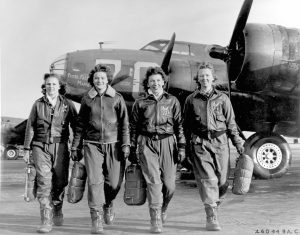
In the UK, women’s formal entry into the military began with the formation of organisations like the Women’s Army Auxiliary Corps (WAAC) during World War I. The devastating toll that the Battle of the Somme took on the Army’s numbers led to High Command considering, and eventually allowing, women to take up support roles so that men could be placed in combat roles instead. World War 1 also saw the formation of the Women’s Royal Naval Service in 1917 and the Women’s Royal Air Force in 1918. By the end of the war, over 100,000 women had enlisted in the WAAC, and in recognition of all they achieved, Queen Mary gave her name to the WAAC, which became the Queen Mary’s Army Auxiliary Corps. During World War II, the Auxiliary Territorial Service (ATS) allowed women to serve in various non-combat roles. Queen Elizabeth II herself was a member of the ATS, training as a driver and mechanic. The women’s services were integrated into the regular armed forces in 1949, but with significant restrictions on their roles. The 1990s saw the removal of many barriers, with women serving on Royal Navy ships for the first time. By 2018, all combat roles were finally opened to women, marking a milestone in the journey toward equality in the military.
The Role of Women on the Front Line
Throughout military history, women have made crucial contributions despite restrictions on their service. During World War II, women like Odette Sansom and Violette Szabo served in the Special Operations Executive, undertaking dangerous missions in occupied Europe. These women operated behind enemy lines, gathering intelligence and risking capture and execution. The codebreakers at Bletchley Park, many of whom were women, played a vital role in the Allied victory. Their intellectual contributions shortened the war and saved countless lives, however their work remained classified and unrecognised for decades after the war ended. In the air, the women of the Air Transport Auxiliary delivered over 309,000 aircraft during World War II, flying everything from Spitfires to bombers, often without radios or navigation aids.
Modern-Day Frontline Roles
Today, women serve across all branches of the UK armed forces in almost every capacity. In 2025, women comprised approximately 10.5% of the UK’s regular forces. We see military women as fighter pilots, submariners, infantry soldiers, and Special Forces personnel, roles that were unimaginable just decades ago. Wing Commander Nikki Thomas became the first woman to command an RAF fast jet squadron in 2015. Thomas led bombing missions against ISIS in Iraq and Syria, amongst various other risky missions. There is also Army Officer Captain Rosie Wild, who became the first woman to pass the gruelling All Arms Pre-Parachute Selection course (the gateway to joining the Parachute Regiment) in 2020, showing that even to this day, physical barriers continue to be broken.
Women Veterans: Unique Experiences and Challenges
Women veterans face distinct challenges when transitioning to civilian life. Their service experiences often differ from their male counterparts, shaped by being part of a minority group within the military. Many women veterans report feeling “invisible” in civilian society, with their service frequently questioned or minimised. The common assumption that veterans are male means women often need to repeatedly explain their service history when accessing support services. Research suggests women veterans experience higher rates of military sexual trauma and face unique health challenges, yet they often encounter healthcare systems that are not designed with their needs in mind, with services and facilities primarily orientated toward male veterans. Women veterans in the justice system face a particularly complex set of circumstances. Often, their military background goes unrecognised during processing, resulting in missed opportunities for specialised support. The combination of trauma from service, transition difficulties, and gender-specific challenges creates situations where women veterans may not receive appropriate interventions before reaching a crisis point. 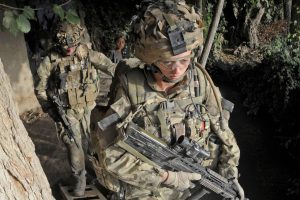
The Challenges That Military Women Still Face
Gender Inequality
Despite significant progress, women in the army still face systemic challenges. Promotion rates for military women lag behind those of their male counterparts, particularly at senior ranks. Women remain under-represented in leadership positions, with only a small percentage reaching the highest ranks. A 2021 report by the UK Defence Committee highlighted ongoing issues with uniforms and equipment designed primarily for male bodies, sometimes compromising women’s safety and effectiveness on operations.
Cultural Barriers
The traditionally masculine culture of the military presents ongoing challenges. Women in the army report having to constantly prove themselves and their abilities, facing scepticism about their capabilities, particularly in combat roles. The assumption that women are less capable or less resilient persists in some quarters despite overwhelming evidence to the contrary.
Mental Health and Support
Women veterans face unique mental health challenges. Studies suggest they may be more likely to experience depression and anxiety following service, yet are less likely to seek support through traditional veterans’ services. Organisations like Care after Combat recognise these differences and strive to provide appropriate, gender-informed support to women veterans, especially those involved in the justice system. Understanding the complex interplay between service experiences, gender, and transition challenges is essential for effective support.
Women’s Evolving Role in the Military
Recent years have seen significant policy changes opening all military roles to women. Since 2018, military women have been able to serve in close combat units, including the Royal Marines Commandos, the Royal Armoured Corps, and the Infantry. The removal of these barriers represents not just policy change but a cultural shift to the belief that capability, not gender, should determine military roles.
Empowering the Next Generation
The armed forces now actively recruit women through targeted campaigns that challenge stereotypes and highlight opportunities for career development. Mentoring programmes and networking groups provide support for women within the services. Organisations like the Women’s Royal Naval Service Benevolent Trust offer grants to support the education and training of women in the naval services, investing in the next generation of female military leaders.
How Care After Combat Supports Women Veterans
Our approach is tailored to address the specific needs of each veteran we work with, acknowledging that women often face different pathways into the justice system and require gender-informed support for successful rehabilitation. Our mentoring programs connect veterans with trained mentors who understand their unique experiences. These mentors provide crucial support during the challenging transition from custody back to civilian life. We work with partner organisations to ensure women veterans can access appropriate housing, healthcare, and employment support. Through collaborative efforts, we aim to create comprehensive support networks that address the complex needs of women leaving the justice system. Our advocacy work also raises awareness of the specific challenges women veterans face, promoting systemic changes to better understand and support this often-overlooked group. If you or someone you know is a woman veteran in need of support, please contact us to learn more about our services.
Give to Gain: Supporting Military Women This International Women’s Day
This year’s International Women’s Day theme, ‘Give to Gain’, offers a powerful framework for thinking about how we support military women and women veterans. By giving through donations, knowledge, resources, visibility, advocacy, education, or time, we can create a more supportive world that benefits everyone. Now it’s our turn to give back. Here’s how: Give visibility. Share stories of both women in the army and women veterans, and ensure women’s service is recognised and honoured. When we give visibility, we gain a more accurate understanding of who serves and what their contributions look like. Give resources. Support organisations that provide tailored support to women. Financial contributions, volunteering, or simply spreading awareness all make a tangible difference. When we give resources, we gain communities where all veterans can successfully reintegrate. Give understanding. Educate yourself about the unique challenges women veterans face. Listen to their experiences without judgement or assumptions. When we give understanding, we gain the ability to provide truly effective support. Give opportunities. If you’re an employer or service provider, recognise that women veterans bring incredible skills and experience. Give them fair consideration and support. When we give opportunities, we gain talented, dedicated people who enrich our workplaces and communities. Give advocacy. Speak up when you see women veterans overlooked or when services fail to meet their needs. Challenge systems that weren’t designed with women in mind. When we give advocacy, we gain more equitable, effective support systems for everyone.
Conclusion
The story of women in the armed forces is one of continuous progress against significant odds. From informal roles in early conflicts to today’s combat positions, women have consistently demonstrated their value to military operations. As we celebrate both International Women’s Day 2026 and Women’s History Month, we honour these contributions while acknowledging that the journey toward full gender equality in the military continues. The challenges women face in service and as veterans require ongoing attention and dedicated support. Care after Combat remains committed to supporting women veterans through the challenges of the justice system and beyond. By deepening our understanding of the unique experiences that women veterans have and providing appropriate, tailored support, we can help ensure their service is honoured not just during International Women’s Day or Women’s History Month but always. Together, we can create a future where all veterans, regardless of gender, receive the recognition and support they deserve. Their service has shaped our world; now it’s our responsibility to shape theirs, ensuring that the women who gave so much to their country gain the support and recognition they’ve earned.