
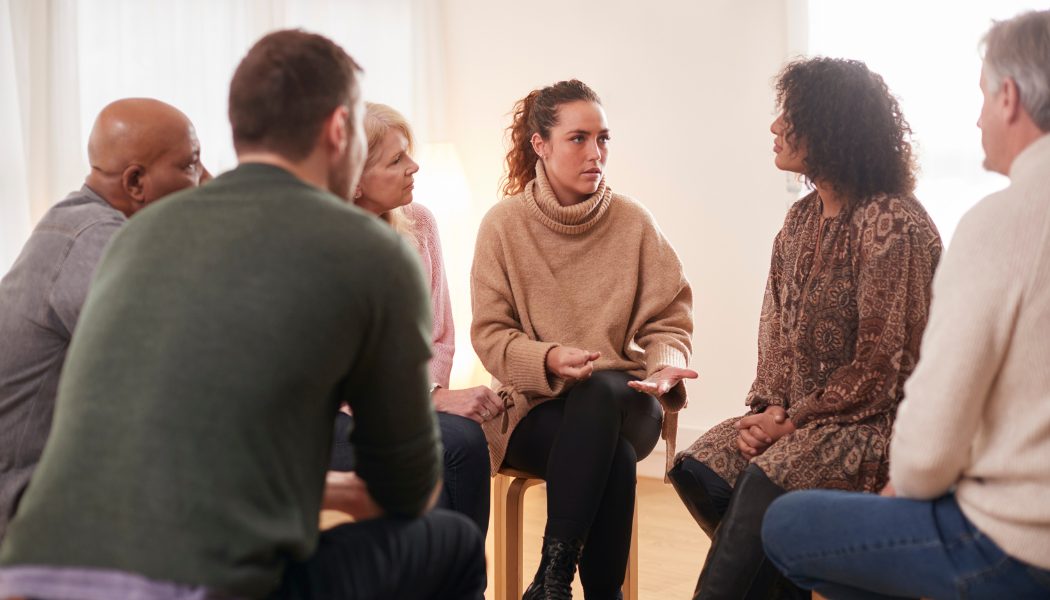
Today, people across the globe will observe World Mental Health Day, a time to raise awareness about mental health challenges and work towards creating a world where everyone can access the support they need.
For some veterans, though, reaching out for help isn’t simple. While many transition smoothly into civilian life, others face barriers that make seeking mental health support difficult.
Understanding why some veterans find it difficult to seek help is important because untreated mental health conditions can have serious consequences. For some veterans, ongoing struggles with mental health can contribute to difficulties with relationships, employment, and, in some cases, involvement with the justice system.
The good news is that these barriers can be broken down with the right approach, understanding, and commitment from communities, organisations, and individuals. In this article, we will explore the barriers to mental health support that some veterans face, and then discuss how these barriers can eventually be broken down.
Why Many Veterans Struggle to Ask for Help
Military Culture and Self-Reliance
Throughout their military careers, service members are taught to push through difficulties, maintain composure under pressure, and solve problems independently.
This deeply ingrained self-reliance can make reaching out for help feel fundamentally at odds with their identity as a veteran. For those who held leadership positions, the pressure to maintain a strong image can be particularly intense, as they may have spent years projecting strength and capability to those under their command.
The impact of this cultural conditioning is profound. Veterans may genuinely believe that seeking mental health support is incompatible with their military identity, viewing it as a weakness rather than the courageous step it truly represents.
Fear of Appearing Weak or Damaged Due to Societal Stigma
Societal stigma surrounding mental health conditions also plays a part in discouraging veterans from seeking help. In fact, this stigma can be especially damaging to veterans when combined with their status as military service members.
Many veterans worry about being seen as “broken” or “damaged” by the people around them if they openly acknowledge their mental health struggles. Indeed, the public does seem to associate military service with higher rates of mental health struggles, as illustrated by a study completed by the Office for Veterans Affairs, which found that over two-thirds of those consulted believed that mental health problems affect veterans more than the general public. (Notably, the majority of former service members who participated in the study did not share this view.)
These perceptions may cause veterans to worry about how family, friends, and their broader community will perceive them if they seek support. Will they be treated differently? Will people view them with pity or fear? These concerns may work to create powerful barriers that prevent veterans from seeking help.
This concern extends beyond personal relationships to practical considerations about employment. Veterans may fear that a mental health diagnosis could affect their job prospects, with employers potentially viewing them as unreliable or incapable.
This fear can keep veterans silent about their struggles, even when support could significantly improve their quality of life and work performance.
Practical Barriers to Accessing Support
Even when veterans overcome cultural and psychological barriers to seeking help, they may encounter numerous practical obstacles to receiving mental health support. These include:
- A lack of awareness about what support exists and their eligibility for services prevents many veterans from accessing help. They may not know that veteran-specific services are available or may assume they don’t qualify for support. Previous negative experiences with services that felt unhelpful or judgemental can also prevent veterans from trying again, even when different support might be more effective.
- The shortage of mental health professionals who understand military life and culture creates a significant barrier. While general mental health services are valuable, veterans often benefit from providers who understand military culture. When veterans encounter therapists who don’t understand their experiences, they may feel misunderstood and may disengage from support.
- Sometimes, finding appropriate mental health services can be a struggle in itself. Those seeking mental health support may come across numerous organisations, referral pathways, and eligibility criteria that can complicate the process and may be discouraging.
- Digital advancements can sometimes exclude those veterans with limited digital literacy or internet access from online-only services. Whilst telehealth can improve access for some, it creates new barriers for others who lack the technology, skills, or suitable private spaces for virtual appointments.
How Care after Combat Helps Veterans Overcome These Barriers
At Care after Combat, we’ve developed our approach specifically to address the barriers that prevent some veterans from accessing mental health support.
We start by creating safe, non-judgemental spaces where veterans feel truly understood. Some veterans have reached their lowest points and need support that meets them where they are, without condemnation or assumptions. This compassionate approach helps break through the fear and shame that can prevent veterans from seeking help.
Our veteran mentors understand both military culture and the justice system in depth. The veterans working with our mentors don’t need to explain military culture or justify their experiences; they’re understood from the outset.
Mentors are a consistent presence, helping veterans through transfers and lockdowns. When a veteran requires support or help, mentors are there and will remain by the veteran’s side throughout. This gives veterans a reliable person to help them through justice system processes and help them find the specific support they need for their circumstances.
Veterans seeking support can learn more about our services and how we can help them access the mental health support and broader assistance they need.
What We Can All Do to Support Veterans
Breaking down barriers to veteran mental health support isn’t just the responsibility of specialist organisations. Communities, employers, and individuals all have important roles to play when it comes to challenging the stigma surrounding mental health and supporting veterans.
When we speak openly about mental health challenges and treat mental health with the same matter-of-fact approach we apply to physical health, we reduce the shame that prevents people from seeking support and enable more people to do so.
This shift, in large part, relies on education about veteran experiences and mental health challenges. When communities understand the specific barriers veterans face, they’re better positioned to help address them.
Creating welcoming environments in workplaces and healthcare settings, for example, often begins with training and awareness. Employers and healthcare providers can learn how military experiences shape veterans’ perspectives, and how small changes in understanding can make a big difference.
At Care after Combat, we are currently offering veteran awareness training sessions that explore real experiences, challenge misconceptions, and help organisations build the confidence to support veterans better. These sessions equip teams with practical knowledge to create environments where veterans feel understood, respected, and supported. You can find more information about these here.
Individuals can support veterans in their lives by listening without judgement when they share their struggles. Sometimes the most powerful support comes from simply being present and demonstrating that seeking help won’t change how you view them.
Another way communities can break these barriers is by supporting veteran-specific services. This might involve fundraising, volunteering, or advocating for funding for organisations that provide specialist veteran mental health support.
Advocacy for policies and funding that support veteran mental health services ensures that barriers continue to be addressed at systemic levels. This can be achieved by contacting local MPs, supporting campaigns for increased mental health funding, or raising awareness about gaps in current provision.
Moving Forward Together
World Mental Health Day 2025 reminds us of our collective responsibility to ensure everyone can access mental health support when they need it. For veterans, this means acknowledging and actively working to break down the specific barriers they face.
Solutions exist. Peer support and veteran-led mentorship create pathways for those who might not engage with traditional services. Community action that challenges stigma and creates welcoming environments makes seeking help a safer choice. Specialist organisations like Care after Combat demonstrate that with the right approach, barriers can be overcome and profound positive change becomes possible.
The message we want to leave you with is simple: barriers to mental health support can be broken down with understanding and appropriate support. No veteran should face their mental health struggles alone, and with collective effort, we can ensure they don’t have to.
If you’re a veteran struggling with mental health challenges, we encourage you to reach out. Seeking support isn’t a weakness; it is an act of courage.
If you know a veteran who might benefit from support, help them connect with appropriate services.
If you’re part of a community or organisation, consider what actions you might take to help break down barriers for veterans seeking mental health support.
Together, we can ensure that World Mental Health Day 2025 marks not just awareness, but action that creates real change for veterans.
Contact us to learn more about how you can help or access support.