
Returning to civilian life after completing military service represents one of life’s most significant transitions.
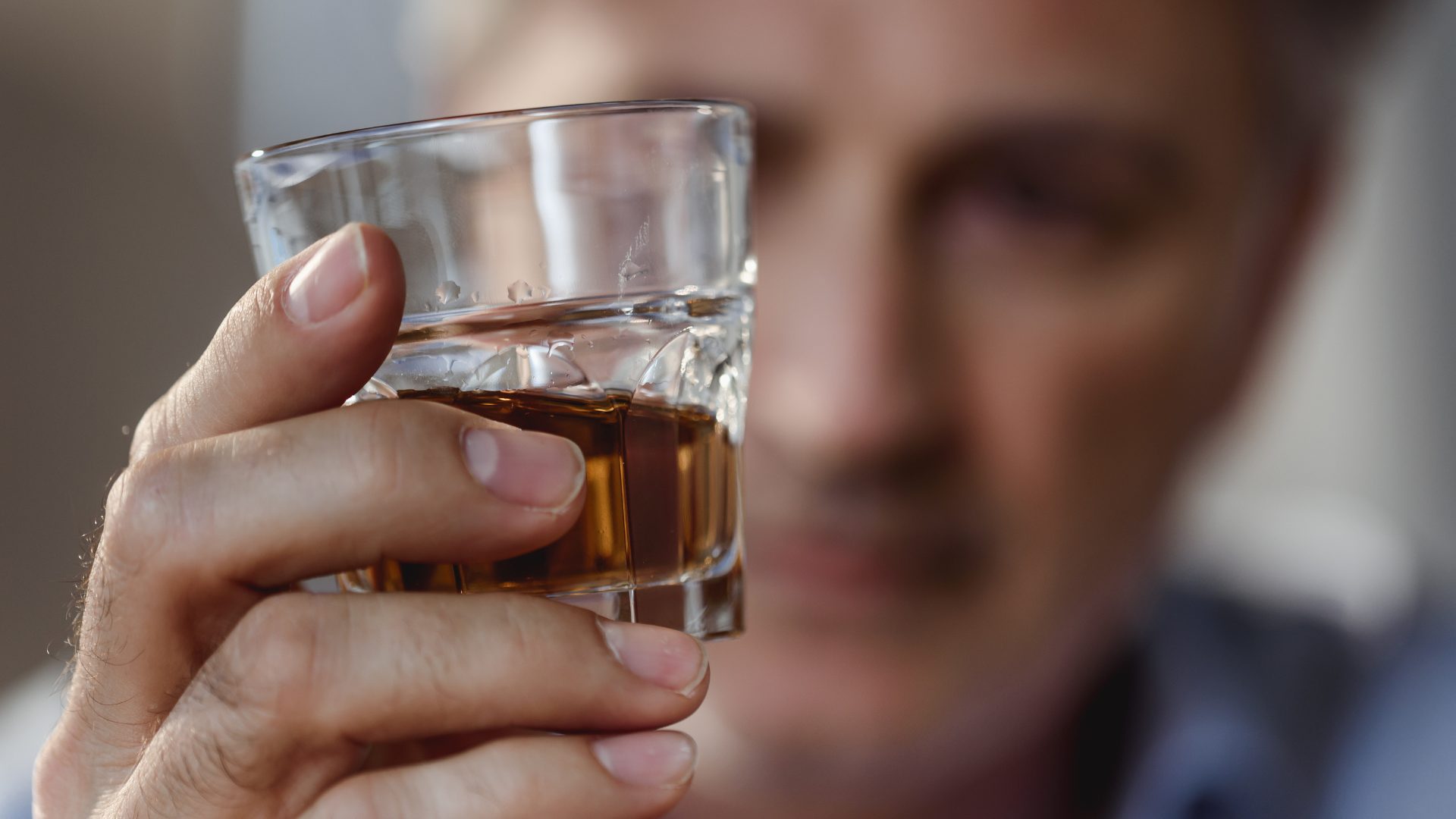
For some veterans, the adjustment to civilian life is smooth. For others, this change brings challenges, such as the loss of structure, close-knit relationships, and a clear sense of purpose. As a result, some veterans find themselves turning to alcohol as a way to cope with these feelings of uncertainty and stress.
At Care after Combat, we recognise that behind every struggle is someone who has served their country and deserves compassionate support, not judgement, as they work towards recovery.
If you’re a veteran struggling with alcohol, or you’re concerned about someone you care about, please know that you’re not alone. There is a path forward, and it starts with understanding why this happens and what support is available.
Why Veterans Face Higher Risks of Alcohol Addiction
Research indicates that veterans experience higher rates of substance misuse, in particular alcohol misuse, than the general population.
Now, it’s important to understand that higher rates of alcohol misuse amongst veterans aren’t a moral failing. Rather, they’re a response to circumstances that most civilians will never encounter. The causes are complex, interwoven, and deeply connected to the experiences of military service, consisting of:
The Weight of Trauma and Mental Health
It’s first important to note that military service isn’t inherently traumatic, and many veterans look back on their time in the forces with pride and positivity.
For some, the military even provides a protective structure, particularly for those who may have experienced trauma or instability in their lives before enlisting. The discipline and purpose that the military is built upon can offer stability that might not have been present before.
However, other veterans do face situations during their service that leave lasting psychological marks. These experiences may lead to post-traumatic stress disorder, depression, and anxiety, among other mental health disorders. For others, difficulties may only emerge after leaving the military, when the structure, routine, and close bonds that once provided stability are no longer there.
For some veterans, alcohol becomes a way to silence intrusive memories, to quiet the hypervigilance that makes relaxation impossible, or to escape the nightmares that disrupt sleep.
Mental health struggles can affect every aspect of daily life. It’s vital to remember that seeking help for these challenges isn’t a sign of weakness. It takes tremendous courage to acknowledge pain and reach out for support.
Military Culture Meets Civilian Life
The military environment often normalises drinking as part of team bonding and off-duty activities. What begins as social drinking within a structured military setting can change into something problematic later down the line, particularly when that structure disappears.
The transition from active service to civilian life can be jarring. Overnight, veterans may find themselves without the identity and purpose that defined their daily existence. The close-knit bonds formed during service, relationships forged through shared experience and mutual reliance, can be difficult to replicate in civilian life. This loss of belonging can leave veterans feeling adrift and isolated.
For some, service-related injuries and chronic pain compound these difficulties. Physical discomfort becomes yet another trigger to reach for alcohol, sometimes used alongside prescribed pain medication, sometimes instead of it. The combination of physical pain, social disconnection, and loss of purpose creates circumstances where alcohol misuse can easily take hold.
The Silence That Keeps Veterans Suffering
Perhaps one of the most significant barriers to recovery is stigma. With the title of veteran sometimes comes an expectation of strength and resilience. Admitting to mental health struggles or addiction can feel like admitting defeat. This fear of being judged or appearing weak keeps many veterans suffering in silence.
Additional pressures such as unemployment, relationship difficulties, financial instability, or even homelessness can intensify the struggle. The isolation deepens when veterans don’t feel understood by those around them, making it even harder to ask for help.
Recognising the Signs in Yourself or Someone You Care About
Understanding that there’s a problem is the first step towards breaking the cycle. Whether you’re a veteran recognising these patterns in yourself or someone concerned about a veteran you care about, it’s important to know what to look for:
- Using alcohol to cope with difficult memories or emotions, particularly those related to service.
- Drinking more frequently or in larger quantities than intended, despite attempts to cut back.
- Neglecting responsibilities at work, home, or in relationships because of drinking.
- Experiencing withdrawal symptoms such as shaking, sweating, or anxiety when not drinking.
- Feeling that alcohol is the only way to relax, sleep, or manage stress.
These patterns often develop as survival mechanisms, ways of coping with overwhelming circumstances. Understanding them is an important step towards change.
Breaking the Cycle
Recovery is absolutely possible. The most effective approaches combine holistic, trauma-informed care that addresses both the addiction and the underlying causes.
This isn’t about willpower or simply deciding to stop drinking: addiction is not that simple. It’s about healing the wounds that led to alcohol use in the first place.
Professional Support That Understands Military Experience
Specialist therapy designed specifically for veterans can make an enormous difference. Working with professionals who understand military culture means you won’t have to explain the context of your experiences or translate military terminology. These therapists recognise the unique pressures of service and the particular challenges of transition.
Effective therapy for veterans should be trauma-informed, meaning it acknowledges the role of traumatic experiences without repeatedly re-exposing you to trauma outside appropriate therapeutic contexts. Some veterans may also benefit from medical support to manage withdrawal symptoms safely or to address co-occurring mental health conditions.
The Power of Connecting With Others Who Understand
Peer support groups specifically for veterans can provide a space where shared experiences create common ground. You don’t have to explain why certain sounds trigger anxiety, or why you struggle with crowds, or why losing the structure of military life has been so disorienting.
Organisations such as Alcoholics Anonymous offer peer-driven recovery programmes that many veterans find helpful. These groups reduce isolation and shame by creating communities of people working towards similar goals. When you hear someone else’s story and recognise your own struggles reflected back, it can provide both comfort and hope.
Understanding from fellow veterans can be transformative, helping to break down the walls that isolation builds.
Dedicated Resources for UK Veterans
Several organisations across the UK provide mental health and addiction support specifically tailored to veterans’ needs.
- Combat Stress provides specialist mental health treatment for veterans, including support and guidance for those struggling with substance and alcohol misuse.
- Alcoholics Anonymous offers peer-led support groups where veterans can connect with others in recovery, sharing experiences and working through the 12-step programme in a judgement-free environment.
- We Are With You offers the Armed Forces Community programme, which is specifically tailored to help veterans who are struggling with alcohol misuse and their mental health.
- Op COURAGE delivers specialist NHS mental health support for veterans across England, providing assessment, treatment, and care for service-related mental health conditions.
If you’re seeking help specifically for alcohol addiction, the dedicated services mentioned above are excellent starting points.
At Care after Combat, while our primary focus is supporting veterans within the justice system, we recognise that addiction can sometimes lead to situations where veterans find themselves in conflict with the law. We’re here to support, advise, and signpost you to the services you need.
Moving Forward With Hope and Support
Recovery isn’t linear. There may be setbacks along the way, but setbacks don’t mean failure; they’re often part of the journey. What matters is having support to help you get back on track. Every veteran deserves understanding, patience, and the chance to rebuild a fulfilling life after service.
Reaching out for help is an act of courage. It takes strength to acknowledge that you need support, and it takes determination to accept that support and use it to create change. Whether you’re taking your first step towards recovery or you’ve stumbled after a period of progress, there are people ready to walk alongside you.
At Care after Combat, we’re committed to approaching every veteran with unconditional positive regard and compassion. We believe in focusing on strengths and possibilities rather than past mistakes and in creating spaces where veterans feel understood rather than judged.
If you’re a veteran struggling with alcohol addiction, or if you know someone who is, please reach out. Help is available, recovery is possible, and you don’t have to face this alone. There is hope, and there is a way forward.