
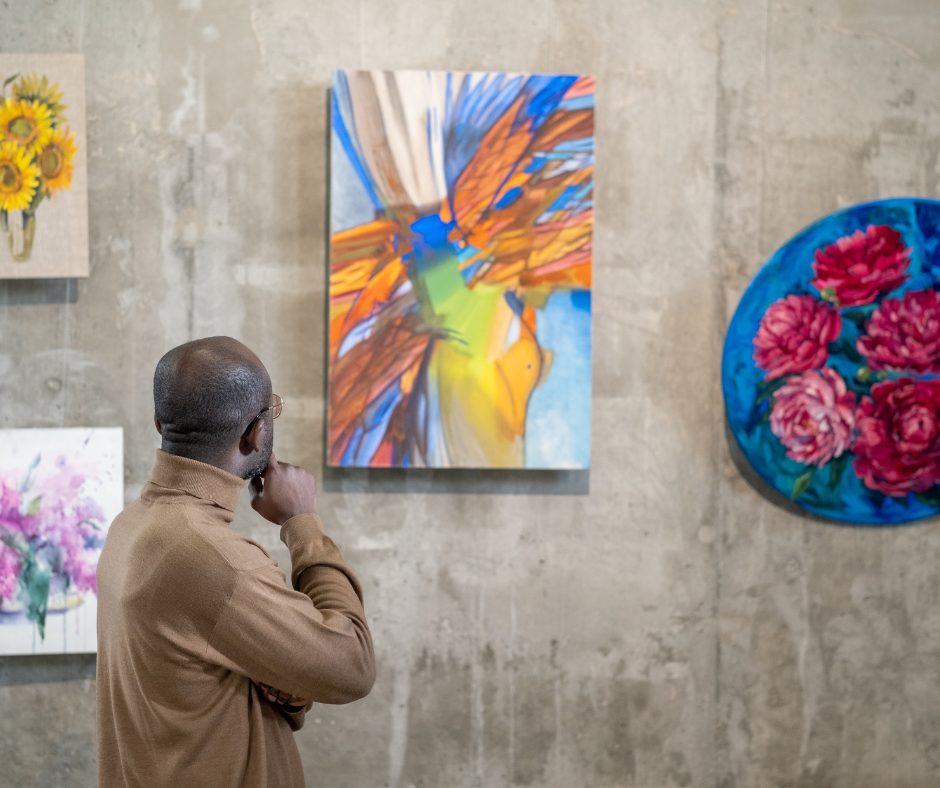
Kevin Devonport is an internationally award-winning artist based in Leeds. He’s also a veteran who discovered painting during his time in the justice system, and now, he’s dedicated to helping others find their own creative path.
World Art Day was created to celebrate the importance of artistic expression and the contributions of artists worldwide. Today, we’ll be celebrating art for its powerful ability to heal us, physically and emotionally, and encourage self-discovery.
For those going through difficult times, including veterans in the justice system, art can offer a unique pathway to recovery. Whether struggling with the transition to civilian life or rebuilding after involvement with the justice system, art provides a way to explore and express experiences that words alone may never be able to fully capture.
So today, we’re exploring why art matters, how it supports mental health and recovery, and sharing the extraordinary story of Kevin Devonport, a veteran whose life was transformed through artistic expression.
What Is World Art Day?
World Art Day, celebrated on the 15th April, was established by UNESCO to promote awareness of creative activity worldwide. The date commemorates the birthday of Leonardo da Vinci, symbolising art’s role in peace and freedom of expression.
UNESCO’s World Art Day initiative encourages people to recognise art’s value in human development and wellbeing. It’s celebrated globally through exhibitions, workshops, talks, and creative activities that bring communities together.
It’s a day to acknowledge that art is a fundamental part of the human experience and has been as long as we’ve existed. Art transcends barriers of language, background, and circumstance, making it an incredibly powerful way for individuals from all walks of life to truly connect.
Why Is Art Good for Mental Health?
The connection between art and mental health is well-documented and profound.
Research consistently shows that engaging in creative activities reduces stress hormones like cortisol. One six-month study published by the American Psychiatric Association found that art therapy significantly reduced symptoms of stress and anxiety, and increased positive emotions amongst the participants.
The process of creation activates multiple areas of the brain, promoting mindfulness and present-moment awareness. When you’re painting or drawing, your attention narrows to the task at hand, providing respite from intrusive thoughts and creating a form of meditation through creative practice.
Unlike verbal communication, art allows people to process and express experiences that feel too difficult to put into words. This is particularly valuable for veterans whose experiences during service may be hard to articulate.
Art Therapy: Professional Support Through Creativity
Art therapy is a recognised therapeutic approach delivered by trained professionals. Organisations like Combat Stress provide art therapy specifically designed for veterans and the unique challenges and experiences they may have faced.
Art therapy allows veterans to explore and express their experiences in ways that words may not permit. It’s particularly effective for helping people process their trauma. allowing them to engage with difficult memories at their own pace.
It’s important to note that the therapy isn’t about creating “good” art; it’s about the process of creation and what emerges through that process.
Art therapy can be particularly helpful for veterans who find traditional talk therapy challenging or insufficient. It complements other therapeutic approaches like CBT and counselling, providing veterans with lifelong coping tools they can continue using independently after formal therapy ends.
Kevin Devonport: A Veteran’s Journey Through Art
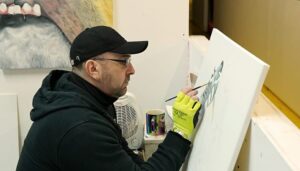
Kevin Devonport’s story powerfully illustrates how art can transform lives.
A veteran who faced significant challenges after leaving service, Kevin discovered artistic expression during one of his life’s most difficult periods.
Kevin left the army at 21, facing the challenges that many veterans experience during transition to civilian life. He faced challenges with addiction and, as a result, found himself involved with the justice system at various points in his life.
By 35, Kevin was facing another period within the justice system. But this time, something different happened.
While serving his sentence, Kevin was encouraged to join an art class. At the time, he didn’t see himself as an artist, but he decided to give it a try anyway. His first piece was, as described by Kevin, “a little landscape”. Although Kevin himself doesn’t consider it his best work, the process of creating it struck something deep within him.
Kevin attended forum sessions organised by Care after Combat, where his talent for painting was recognised and further nurtured. The support and encouragement he received gave him space to explore this newfound passion, and what started as a simple art class became the pathway to a huge transformation.
An Award-Winning Artist Emerges
Kevin’s artistic talent developed rapidly, and remarkably, Kevin won his first national award (a Koestler Award for arts in criminal justice) while still serving his sentence.
Since his release, Kevin’s achievements have continued to build. He’s won multiple international awards, including the Leonardo da Vinci International Artist Award in Florence, the Olympic Art Prize 2021, and the Caravaggio Master Artist Award presented in Milan.
Kevin is now based at Assembly House Studios in Leeds, a professional artist with a growing international reputation. Despite having no formal artistic qualifications, he holds a First-Class Honours BSc in Sociology, which influences much of his work, bringing depth and social consciousness to his artistic practice.
Visit Kevin Devonport’s website to see his extraordinary work.
Giving Back Through Art
Kevin hasn’t forgotten where his journey began or the support that made it possible. Alongside his professional artistic practice, Kevin has dedicated significant time to helping others.
He’s worked with people in the justice system, tutoring fine art through groups he ran for over two years. He’s also worked with veterans’ groups and boxing programmes.
In a remarkable full-circle moment, Kevin was invited to serve as a judge for the Koestler Awards last year, the same awards programme where he won his first recognition whilst serving his sentence. For Kevin, being asked to judge the very competition that once recognised his own emerging talent was a massive honour and is a testament to how far his journey has taken him.
Kevin works closely with Care after Combat, supporting veterans who find themselves in the justice system. He’s revisited facilities to share his journey, including returning to speak to his old art class.
How Art Can Support Veteran Recovery
Kevin’s story illustrates broader principles about how art supports recovery for veterans. Art offers veterans several benefits:
Providing identity beyond military service – Art offers veterans a new sense of purpose outside their military identity.
Enable emotional processing without words – Veterans can explore difficult experiences through art when talking feels too difficult or insufficient.
Create healthy distance from trauma – Art allows veterans to engage with challenging memories at their own pace, in their own way.
Reducing stress and anxiety – The creative process provides respite from intrusive thoughts and promotes present-moment awareness.
Creating Community – Joining groups or attending workshops can provide a brilliant opportunity for veterans to connect with others who share their passion.
Perhaps most importantly, art opens doors to new possibilities, creating hope through demonstrating potential for change.
For veterans in the justice system particularly, art offers all of these benefits during a period when identity and hope may feel absent.
Accessing Creative Opportunities
If this resonates with you, there are practical ways to explore creative expression. There are many ways veterans can access the arts:
Community Art Classes
Local community centres often run accessible, affordable art classes that welcome beginners. Libraries frequently host creative workshops and art groups. Check local listings for sessions near you.
Online Resources
Online tutorials and courses make independent learning possible from home. Platforms like YouTube offer free instruction in virtually any art form.
Veteran Groups
Some veteran organisations run social groups that include creative activities. Ask local branches of the Royal British Legion or SSAFA about creative or social groups in your area.
At Care after Combat, we connect the veterans we support with resources and opportunities that support recovery. If you know a veteran who could benefit from exploring creative outlets, get in touch with us. We understand that recovery takes many forms, and we’re here to support each individual we work with in finding what works.
You don’t need formal art therapy to benefit from creative expression. Start small: sketch, paint, photograph, write. What matters is engaging in the process.
Recognising Art’s Power
Kevin Devonport didn’t know he was an artist when he walked into that first class; he just knew that he wanted to try something different.
World Art Day celebrates artists, but it also celebrates the capacity for growth and self-expression that exists in every person, regardless of their circumstances or past.
On this World Art Day, let’s celebrate the artists, the therapists, the teachers, and the programmes that create space for art. And let’s remember that within every person, there’s potential waiting for the right opportunity to emerge.
If you’re a veteran or you know a veteran who needs support finding a path forward, creative or otherwise, we’re here to help. Your future is waiting to be created.